
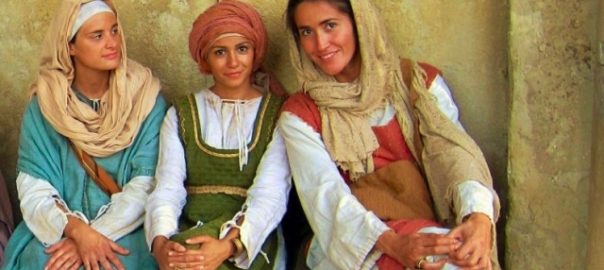
“Lord our God, hear my prayer, the prayer of my heart. Bless the largeness inside me, no matter how I fear it. Bless my reed pens and my inks. Bless the words I write. May they be beautiful in your sight. May they be visible to eyes not yet born. When I am dust, sing these words over my bones: she was a voice.”
― The Book of Longings
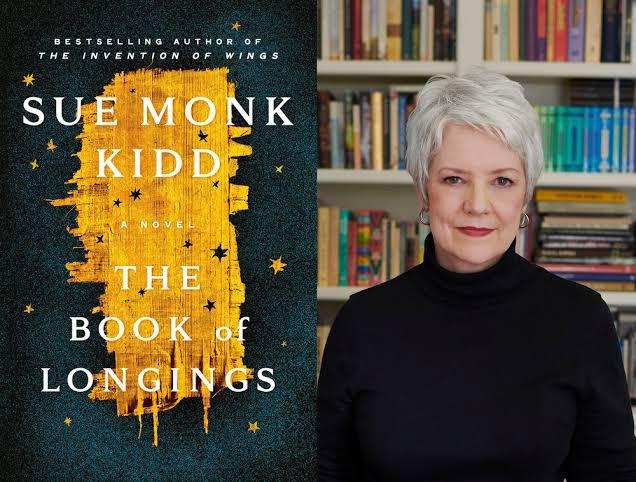
The reclamation and rediscovery of my voice have been the driving throughline of my life since 2011 when my vocal cords were damaged resulting in a year of silence. I already felt pretty invisible in my daily life, as though I was seen and heard only by my husband and kids. Though I regained my voice through the miracle of a silicone implant, the trauma of the muteness has never fully left the deep recesses of my heart and soul. Those who have known me in an up-close way, or who read my work know this truth about me.
In her latest and most audacious work, inspirational author Sue Monk Kidd imagines another invisible and unheard woman, telling a life of her creation, a wife of Jesus during the period of unknowing: the years between his temple conversations with the rabbis and the day he stepped into the river Jordan to be immersed by John the doomed prophet. Only an undiluted curiosity undergirded with a fertile and open mind will be able to read this beautiful fiction unthreatened.
We meet Anna as a teen, full of restless joy and enormous dreams of writing, a voracious reader who had begged her father unrelentingly to be taught how to read and write. Anna is a young woman of expansive ideas trapped in an ancient patriarchal culture. I recognized her heart-cry immediately, I too was once a young bookworm with a passion for justice and a tendency toward the favoring the underdog.
The Hebraic culture of the New Testament era comes vividly alive in the author’s adept hands. Ms. Kidd revealed in an interview with researcher Brene’ Brown that she spent 14 months of eight-hour days immersed in history and religious study, joking that she was smitten by Roman aqueducts in Galilee; her daughter finally intervening with an exhortation to get on with the writing. Her dynamic descriptions of the terrain, the architecture, the food, the daily life are so real I expected to see dust on my sandals and to smell olives on the breeze upon lifting my eyes from the page.
Anna is to be married to an old man in a play for power by her father, a wealthy, landless scribe in the court of Herod Antipas, the tetrarch who would eventually see Jesus in his court. Events twist and turn, and Anna is instead married to young Jesus, a man so full of compassion and the spark of joy that he is utterly captivating. I have wondered since I was young enough to watch Sunday School stories be told by puppets and felt board cutouts what the young man Jesus might have been like, and this imagining feels completely credible.

Ms. Kidd is careful to craft a plot that is fully supportive of the sparse details of Jesus’s life that are written in the Biblical gospels, she doesn’t rewrite or recreate Jesus and his ministry, she simply attempts to create a fictional idea of what might have been, and in doing so, she provides a feminine window into the early Christian world that has not often been seen. Anna is, in truth, a proxy for all the women who have ever felt absent in the Jesus story, who have been unheard in the power plays and overlooked in the histories executed by men. “The deeper we go into our own experience, our own journey, the more likely we are to hit the universal,” says Ms. Kidd.
As a companion read to The Book of Longings, Ms. Kidd’s spiritual memoir, The Dance of the Dissident Daughter, is a remarkable deep dive into the fracturing and rebuilding of feminine faith; it too is universal. I have been working through it for some time. I say “working,” because the truth of what Brene’ Brown calls her “mid-life unraveling” is unfolding in my own life, and has been for a period of long years. It was only in the last three that I began to tiptoe from the desert created by church trauma to embark upon newer vistas of grace on my way back to verdant faith. Reading the final chapters of Dissident Daughter simultaneously with Longings scored the truths of both deeply into my heart in the same way that Anna inscribed her prayers into a bowl: women are deeply, tenderly, radically loved by God.
If a reader can access her imagination and be unafraid to ask “What if?” there is abundant grace, wit, and courage in this gorgeous novel. What a bold, yet humble gift is Sue Monk Kidd. I encourage all to read, and to listen to her episode on Unlocking Us. Its radical, gentle message is both balm and benediction.
Brené with Sue Monk Kidd and Jen Hatmaker on Longing, Belonging and Faith


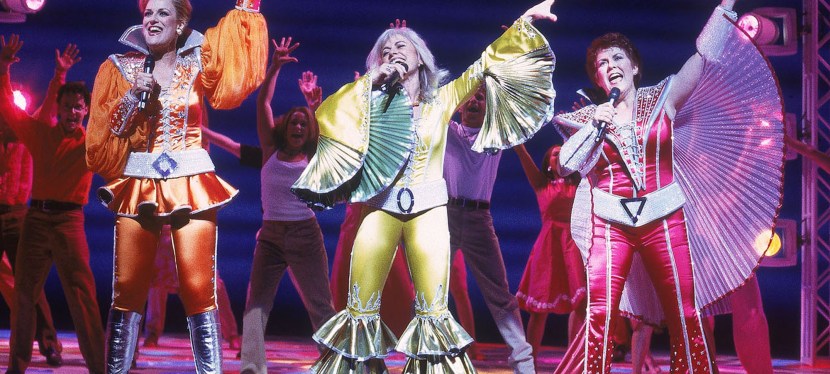
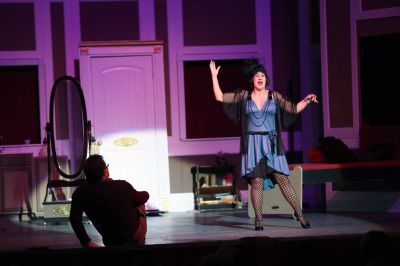



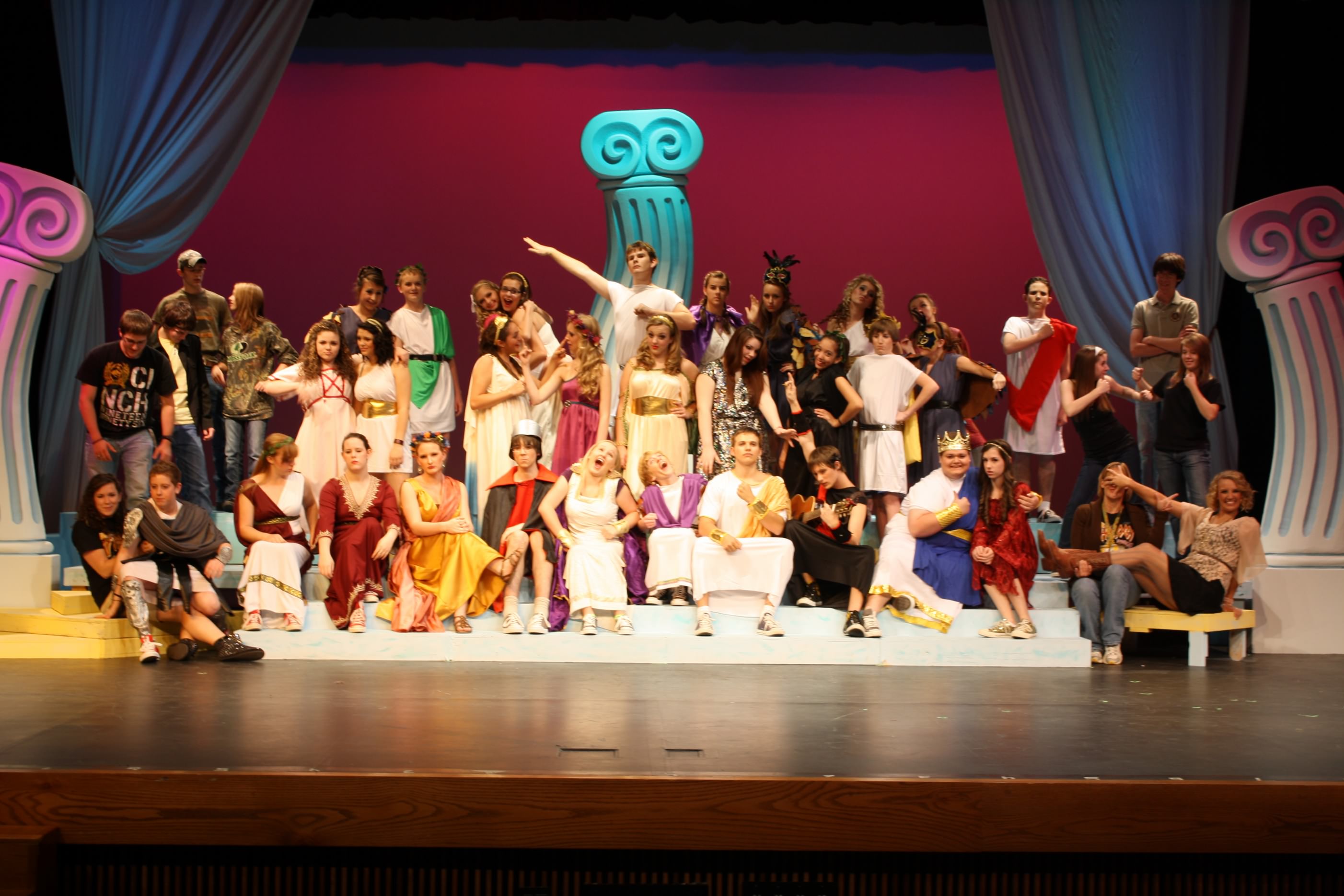 I spent the first week of school swallowing Gabapentin pills (as prescribed) to numb the nerve pain that tingled from the base of my spine to the tips of my fingers and back again, all while learning students’ names, playing warm up games, and preparing young actors and student directors for the fall play auditions. We were putting up the Don Zolidis farce The Greek Mythology Olympiaganza, and some seniors were going to assistant direct the various scenes, to give them a bit of practice applying what they’d learned in three years in my program, but also to give me much-needed assistance since I’d be recovering from spinal surgery.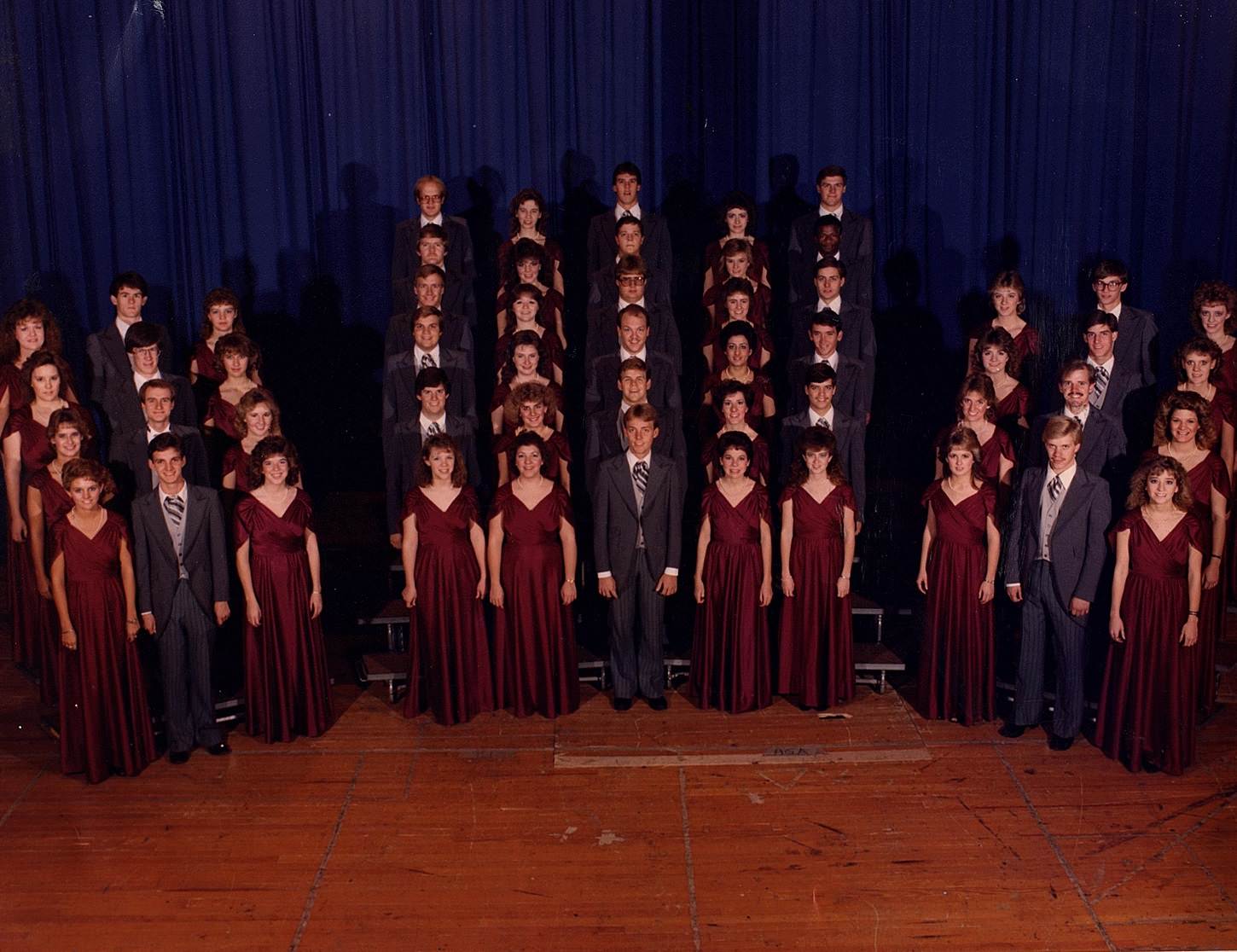

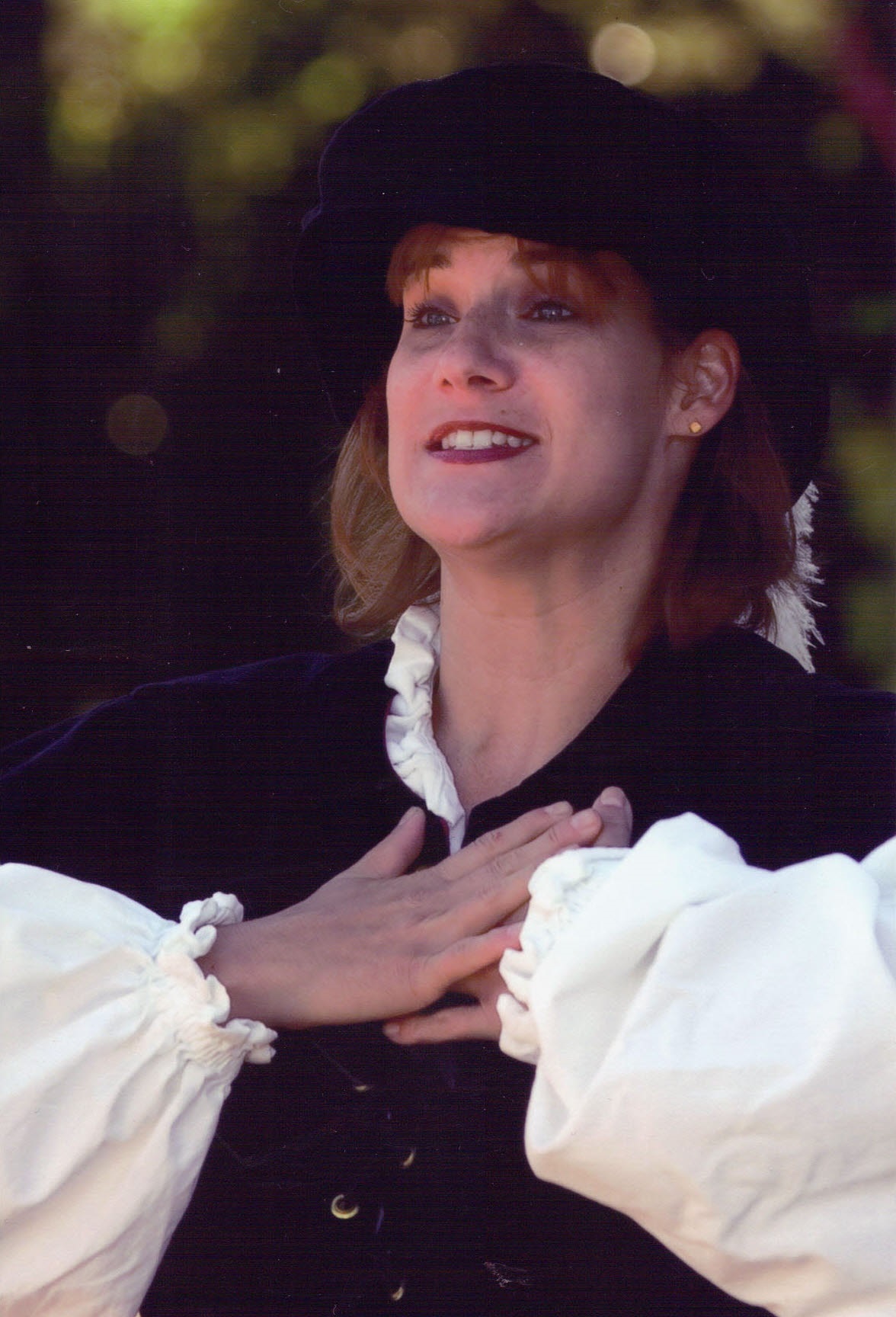 I had always been a singer, an actress, a teacher.
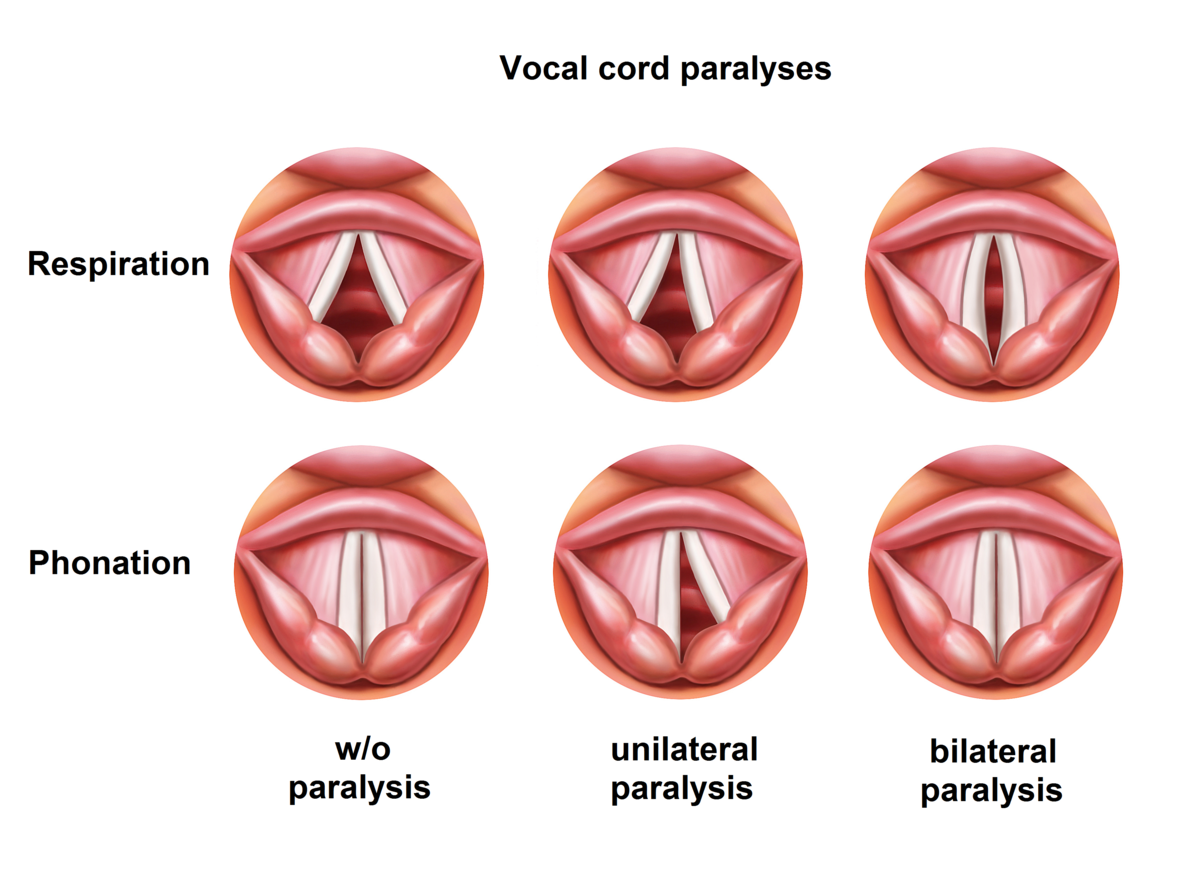 The doc ran a camera up through my nostril and down my throat, encouraging me all the while to relax. I tried, I really did. As I attempted to vocalize, the doc watched a monitor. Finally, after several minutes of awkward grunts and whispers, he shook his head, “The right cord isn’t moving at all.”
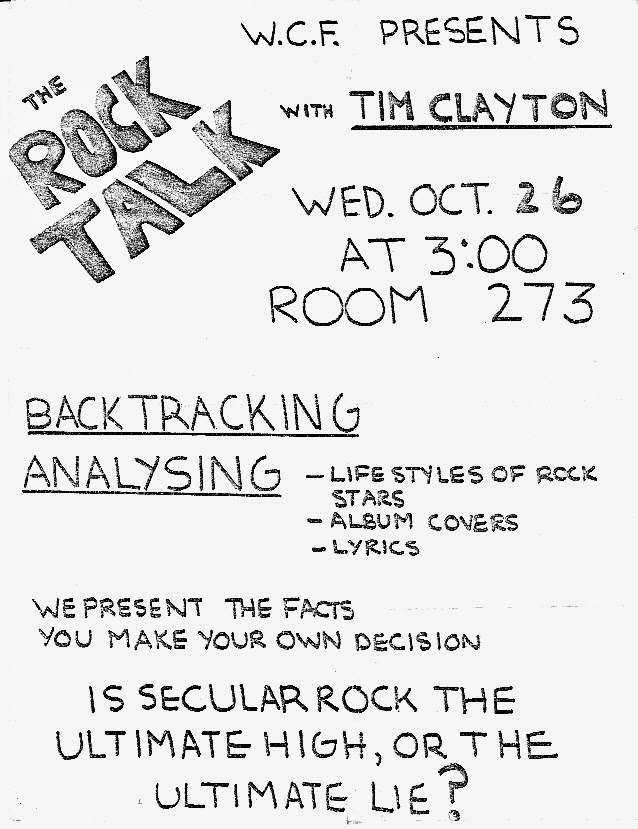 Once, in my freshman year of high school, I got thrown out of my English class by my favorite teacher. We were studying poetry, and he was reading Led Zeppelin’s “Stairway to Heaven” to the class as an example of poetic lyrics. I seethed until my hand shot up in the air, interrupting his recitation. “Yes, Kim?” he called, eyebrow raised nearly to his hairline. “I cannot listen to this poem. It is full of Satanic backward masking.” Yeah, I did that. Every head turned to me as I argued what I had heard my youth ministers teaching us about the entire summer before, a summer whose sunshine I wasted, spending hours in my room searching for subliminal Devil messages in magazine ads. I stuck to my guns, even as my beloved teacher was at first courteously incredulous, then irritated, then angry enough to ask me to leave the class. I had never been thrown out of a class before. In fact, it was the only time I ever was.
 Sometimes, when I was feeling dangerous, I would sneak a look at the back of Tiger Beat magazine at the Safeway (when I wasn’t perusing home decorating mags), and there were ads that showed really gorgeous rear ends in those little terry cloth shorts that had the stripe down the side, and the captions might read: “Do you want a great butt?” And I would think…”I guess so. But what I really want is to say the word ‘butt.'” It’s a great word. So one day, while sitting in line on the blacktop, waiting to go back inside from fifth grade recess, I put my head down and whispered into my own lap, “Butt.” I cannot tell you what a thrill it was- I think the hair stood up on my arms as I looked around to see if anyone had heard. No one had, so I repeated it once for good measure. The freedom! I didn’t instantly become a sailor, though, I was still a church girl, after all.
 Kimberly Bryant, MA